Bounded V1 flagship
One garden photo. One useful local record.
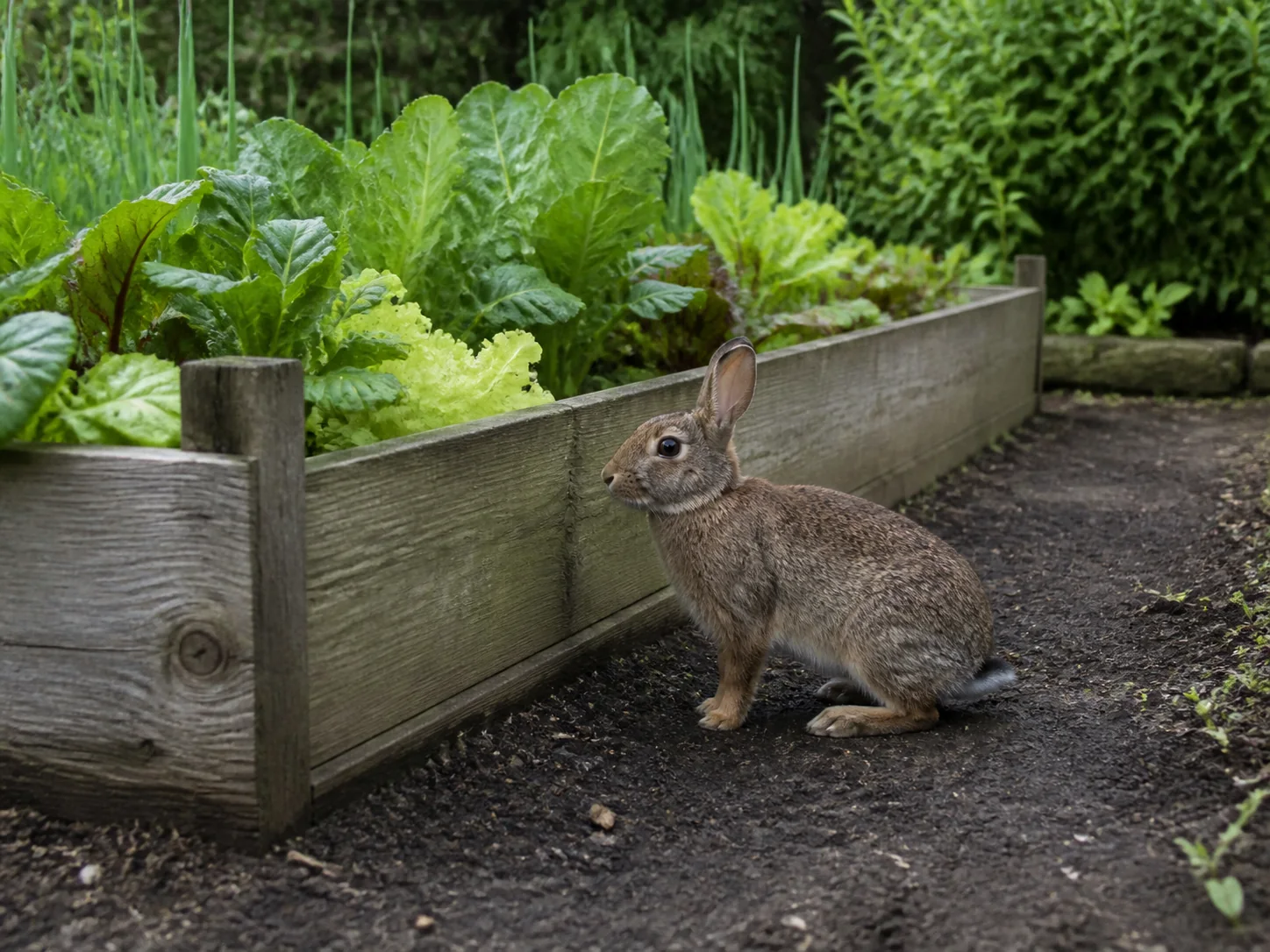
Describe Animal Patrol in Codex or Claude Code, keep the Cargo AI project it creates, and run one photo at a time. The model returns a structured finding; a project-owned Rust tool records it in a local CSV.
The bounded contract
A small workflow with a clear handoff.
One photo per run
Batching is outside this flagship. Each invocation evaluates exactly one supplied image.
Six fields
image_name, animal, count, confidence, garden_risk, and notes.
Local Rust tool
The project-owned recorder creates, validates, and appends the local CSV.
Inspectable project
The definition, tool source, declared permissions, and package selection remain available to review and edit.
Progressive walkthrough
Start with the outcome. Open the machinery when you want it.
- 01Animal Patrol outcomeOne image becomes one local row.
- 02Project setupCreate the local project and guidance.
- 03Authoring handoffA bounded prepared request.
- 04DefinitionCurrent schema key and six fields.
- 05Illustrative outputA clearly labeled example row.
- 06ProfilesTwo image-capable proof targets.
- 07Package locallyInspect before optional hosted sharing.
- 08What “own” meansOperational custody, carefully defined.
- 09What is an agent?Model, definition, and declared tools.
- 10Technical Cargo AI viewOpen the underlying project model.